Disability access record

HandicapSkater

A disability access record showing how inline skates can function as a non-standard mobility aid.

Walking is controlled falling: the body projects forward, the foot catches the fall, and each step rebuilds motion through impact, balance, and load transfer. For my musculoskeletal (MSK) impairment involving pelvic deformity, sacroiliac (SI) joint injury, and hip impingement, repeated step-catch walking creates pain and physiological burden.

Inline skating changes the movement pathway. Instead of repeated ballistic stepping, skating uses controlled rolling and push-glide motion, allowing more usable forward motion to carry between pushes. For this record, that difference made functional mobility possible where walking became unsustainable.

This site tells the documented story of skates used for disability mobility through pain, biomechanics, evidence, transportation burden, and legal access records.

Choose a perspective

Review the HandicapSkater Record

This site can be read several ways: as a human story, a pain record, a biomechanics case, a wearable evidence review, a transportation-burden record, disability-access history, or non-standard mobility aid evolution with route-maps and video demonstrations.

Story

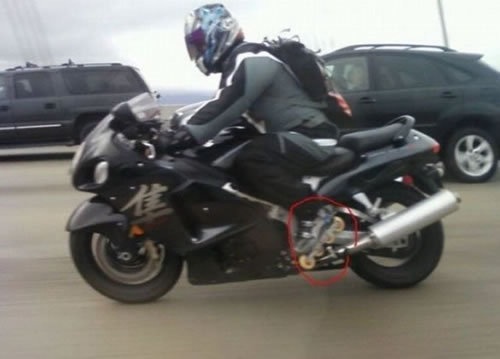
Start here for the lived account: injury, adaptation, motorcycles, airports, public transit, courtrooms, and the long fight to have skates recognized as a mobility aid.

Read the story

Pain

Understand chronic musculoskeletal pain, pain-induced cardiovascular escalation (PICE), autonomic burden, and why walking can become functionally unsustainable.

Understand the pain record

Biomechanics

Review the movement difference: walking as ballistic step-catch locomotion, skating as controlled rolling / push-glide locomotion.

Review biomechanics

Evidence Corpus

Review source-linked HR, HRV/RMSSD, RRI, ACC, route, cohort, FSI evidence, and CSS cohort-comparison outputs used to compare burden across walking, skating, transportation, and recovery.

Review Evidence Corpus

ParaTransit

Review why the accommodation issue is not simply "sedan good, bus bad," but whether the ride configuration preserves functional access with lower burden.

Review transportation burden

Disability Access

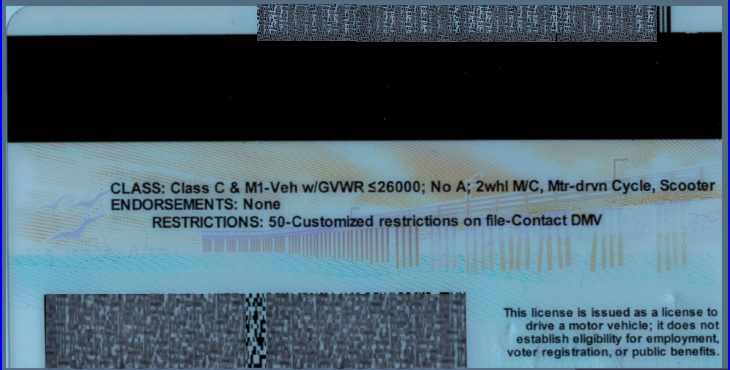
Review the documented access history: work access, transit review, DMV recognition, public accommodation disputes, and the standards-forming record.

Review legal access record

Non-Standard Mobility Aid Standards

Open the standards site for the broader framework: function before appearance, actual direct threat, effective alternatives, and source-linked review.

Open standards site

Routes and Videos

See GPS route maps, repeated skating activity context, and videos showing skates used as adaptive mobility in ordinary life.

Visual evidence

What Looks Like a Stunt Is the Access Story

This short video shows the core HandicapSkater adaptation in one scene: shopping at Smart & Final on skates, rolling to a motorcycle, and riding away with skates still on.

Many people see a stunt. The record shows something different: a disabled person using skates as a mobility aid because walking, standing, public transit, and vehicle access all create functional barriers.

This is the point of the site: function must be reviewed before appearance.

Why it matters

Function Before Appearance

Inline skates are commonly seen as recreation. In this record, they function as a mobility aid. The access question is not whether the device looks ordinary. The question is whether it changes movement, reduces functional burden, can be accommodated safely, and preserves access.